Best Relief for Anxiety: Fast Calming Tools & Habits

What is the best relief for anxiety?
The best relief for anxiety is usually a mix of fast, in-the-moment calming tools and longer-term habits that lower overall stress. What works “best” depends on how intense the anxiety feels, how often it happens, and whether there are triggers like work pressure, health concerns, or disrupted sleep. Many people get the most reliable results by combining practical coping skills with professional support when needed.
Quick relief you can use right now
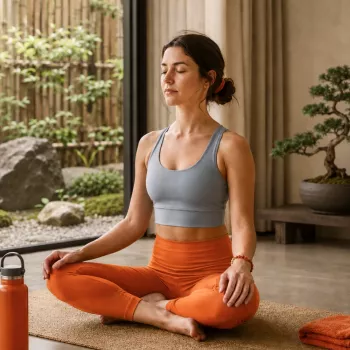
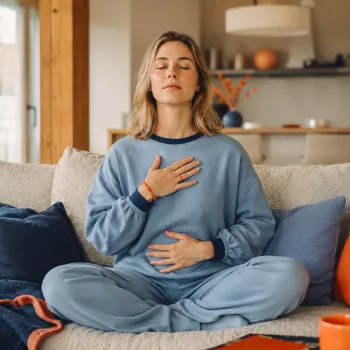
For immediate symptoms (racing thoughts, tight chest, restlessness), start with slow breathing. Try inhaling through your nose for 4 seconds, holding for 2, and exhaling for 6–8 seconds for a few minutes. Pair that with grounding: name 5 things you see, 4 you feel, 3 you hear, 2 you smell, and 1 you taste. These steps can reduce the body’s threat response and make anxious sensations feel less overwhelming.
Daily habits that reduce anxiety over time
Consistent sleep, regular movement, and steady meals are surprisingly powerful. Aim for a predictable sleep window, limit late-day caffeine, and add light-to-moderate exercise most days. If spiraling thoughts are a big part of your anxiety, structured journaling (writing the worry, the evidence for/against it, and a more balanced statement) can help retrain how your brain responds to uncertainty.
When to consider therapy or medication
If anxiety interferes with work, relationships, or sleep, evidence-based therapy (like CBT) can be highly effective. For frequent panic attacks or persistent, hard-to-control anxiety, a clinician may discuss medication options. Getting help isn’t a last resort—it’s often the most efficient path to lasting relief.
For more detailed options and supportive products, visit the full guide here: What is the best relief for anxiety?
FAQ
What are 3 coping skills for anxiety?
Use paced breathing (longer exhales), grounding with the 5-4-3-2-1 method, and a short walk or light stretching to discharge stress. These work best when practiced regularly, not only during high anxiety.







Leave a comment